Knock-down is a shipping decision, not a disassembly afterthought
A steel ladle, a charging car or a manipulator is wider than a container door and heavier than a standard spreader. Shipping it assembled means a flat rack, a heavy-lift crane at both ports and a wide-load permit on the last road. Shipping it knock-down means the unit is broken into modules that fit the transport you have.
The decision changes four things: the packing list, the HS declaration, the crane plan at site and the documents your broker needs. Buyers who treat knock-down as “just take it apart” are usually the ones who lose a week at destination.
What ships as a module
| Unit | Modules | What stays assembled |
|---|---|---|
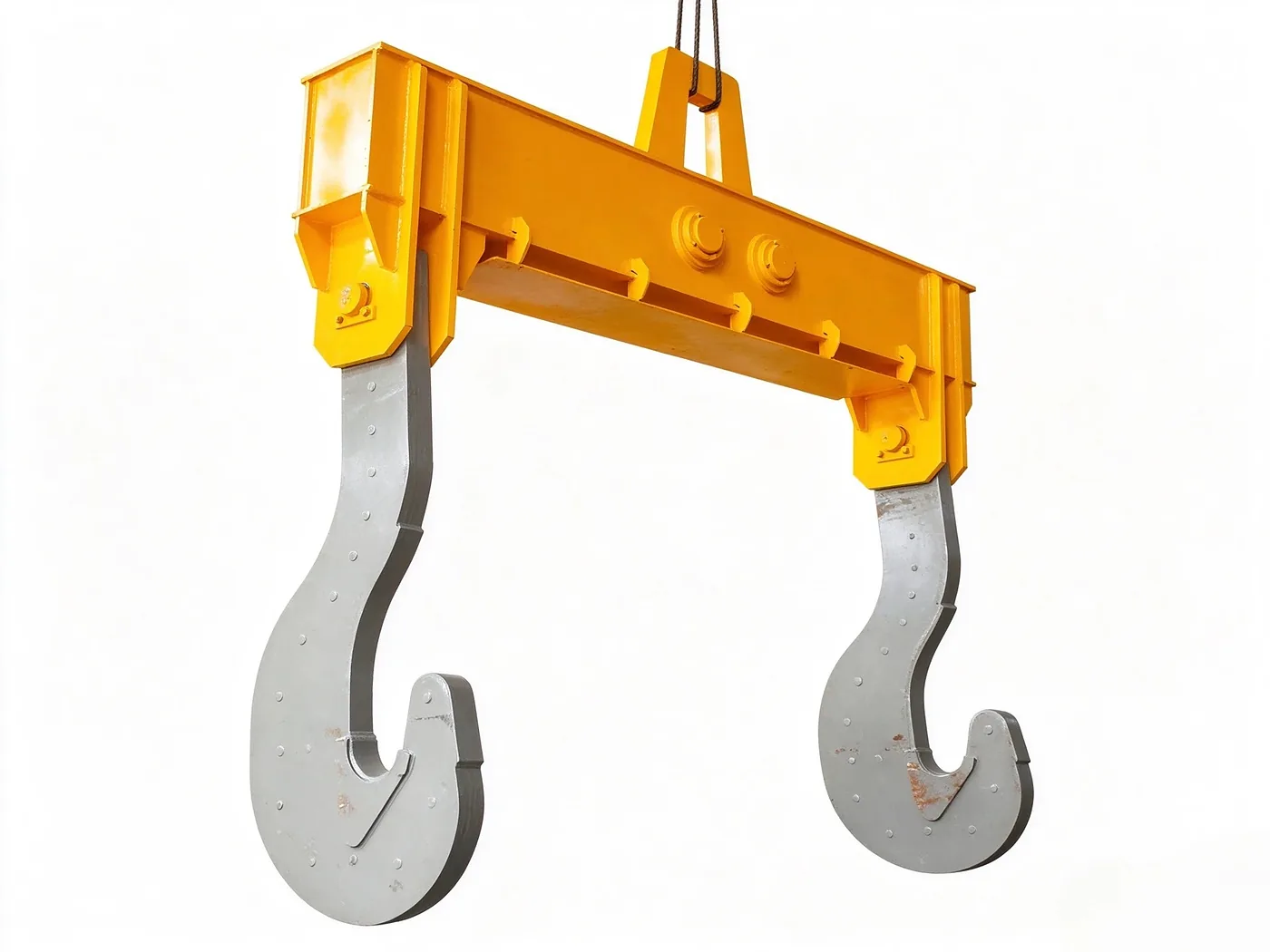
| Ladle and bail | Bail beam, hooks, shell, trunnion set | Nothing above the shell; bail is a separate package |
| Charging car | Frame, scrap box, power pack, control panel, rail clamps | Wheels stay on the frame |
| Manipulator | Beam, columns, power pack, tool heads | Pivot pins and rams stay with the beam |
Each module carries a match mark from the erection drawing. The bolt and gasket set travels with the module it belongs to, not in a single mixed crate.
HS codes on our export documents
| Description of goods | HS code |
|---|---|
| Ladle bucket assembly, knock-down condition | 8454.20 |
| Slag pot stand | 8454.90 |
| Ladle car with balancers and interconnecting tie | 8454.90 |
| Scrap charging trolley, knock-down condition | 8428.90 |
| Scrap pusher (poker), knock-down condition | 8428.90 |
Heading notes: 8454 covers converters, ladles, ingot moulds and casting machines; 8454.20 is ingot moulds and ladles, 8454.90 is parts. 8428.90 covers other lifting, handling and loading machinery. The final classification depends on the configuration shipped and the tariff schedule at destination — confirm with your broker before opening the letter of credit.
Loading: what decides whether the modules arrive square
- Lift points first. Every module must be packed with its lifting lugs reachable. A ring buried under crates cannot be lifted without damaging the flange.
- Flanges protected. Flange faces are greased, wrapped and blocked so they do not rest on the deck or on another module.
- Centre of gravity marked. The bail beam and the hydraulic power pack are offset loads; the marks let the stevedore plan the lift before the crane is booked.
- Small parts labelled. Venturi, pins, wedges, gaskets and bolts are boxed by joint number. A mixed crate is a day lost at site.
- No stacking on machined faces. Trunnion journals and hook saddles travel with their own protection, never under another module.
Documents your broker will ask for
- Commercial invoice with the module descriptions and HS codes.
- Packing list keyed to the module marks and the erection drawing.
- General arrangement drawing showing the assembled unit.
- Material certificates for the principal plates and forgings.
- Certificate of origin, if the destination requires it.
Send the invoice and packing list to the broker before the container is booked. A description that says “steel plant equipment” without the module detail is the most common cause of a hold at destination.
Site reassembly: the part buyers underestimate
Knock-down shipping moves work from the workshop to the site. The site team needs a crane plan, a bolt and gasket list, a torque table and a sequence. We supply all four, but the site team must have the crane and the access ready when the modules arrive.
If the crane is not booked, the modules sit in the yard and the flanges collect water. If the bolt list is not segregated, the team spends the first day sorting. The shipping savings are real, but they are only realised when the site is prepared.
What to send us before booking
- Destination port and the crane capacity available at site.
- Rail gauge, door size or crane hook gauge, as applicable to the unit.
- Whether the site can receive flat racks or only standard containers.
- The latest required-on-site date and the erection window.
- Any import permit or pre-shipment inspection requirement.
We will confirm the module split, the packing marks and the document list before the shipment is booked. If a module exceeds the crane you have, we split it further — the earlier we know, the cheaper it is.
Related reading: steelmaking auxiliary equipment range, how a modular baghouse is assembled on site, and Anhui foundry fume project.